
Friday, November 7, 2025
  • Home
  • Magazine
  • iSPARK-Africa
₦ 0.00 0 Cart

My Account

Home»Opinion»Meekam K. Mgbenwelu: “It’s time to get bold. A purpose-built Bank for Rural Women—mobile-first and data-informed. It would be a service platform: combining access to credit with healthcare information, smallholder agriculture insurance, and digital identity solutions—all under one roof.”
Opinion

Meekam K. Mgbenwelu: “It’s time to get bold. A purpose-built Bank for Rural Women—mobile-first and data-informed. It would be a service platform: combining access to credit with healthcare information, smallholder agriculture insurance, and digital identity solutions—all under one roof.”

AdminBy AdminJuly 1, 2025Updated:July 2, 2025No Comments4 Mins Read
Facebook Twitter Pinterest LinkedIn Tumblr Email
Share
Facebook Twitter LinkedIn Pinterest Email
Meekam K. Mgbenwelu is Editor-at-Large at Numeris Media

Unlocking Rural Entrepreneurship – Women as the Key

I’ve walked the red earth roads of Taraba, sat with community leaders in Edo, and listened to market women in Abia.

As a World Bank-funded consultant, I was part of a bold experiment to improve the livelihoods of rural women across these three Nigerian states. One insight struck me across all three: if we are serious about catalyzing rural economies in Africa, we must place women at the center of the equation.

Why? Because women are the economy in many of these communities.

They run nano and micro-businesses: selling vegetables, processing cassava, trading fabric, rearing livestock. These activities may look small-scale from the outside, but they are the lifeblood of rural commerce. More importantly, women do this while forming sustainable cooperatives and support networks—essential tools for resilience in areas where formal systems are lacking.

UNESCO reports that women reinvest up to 90% of their income into their families and communities, compared to 30–40% for men. The African Development Bank (AfDB) confirms that women-led businesses in rural areas are more likely to prioritize education, nutrition, and healthcare. This isn’t just an anecdote from the field—it’s backed by numbers and policy research.
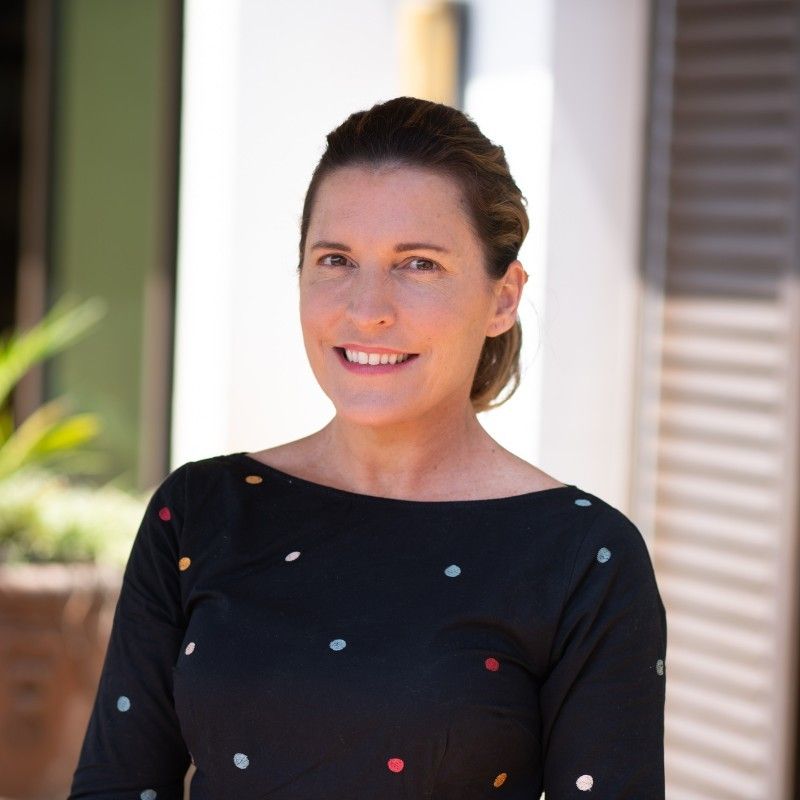
Hillary Miller-Wise, Founder & CEO, Tulaa – a Kenyan AgriTech platform that helps smallholder farmers thrive at the intersection of agriculture, financial services, and technology [📸 Hillary Miller-Wise]

When women gain access to even modest amounts of credit or capital, the impact is fast and far-reaching. During my consultancy, we introduced low-interest capital support for women-led cooperatives. The results were immediate: new market stalls emerged, community savings groups expanded, and local suppliers grew their reach.

Despite their drive and influence, most rural women are financially excluded. According to UNFPA, more than 60% of African women in rural areas lack access to formal banking systems. Without accounts, credit histories, or collateral, they’re locked out of traditional finance. And when banks do exist, they’re often miles away or require documentation that these women simply don’t have.

It’s time to get bold. A purpose-built Bank for Rural Women—mobile-first and data-informed—could revolutionize development outcomes across Africa. This wouldn’t just be a financial institution. It would be a service platform: combining access to credit with healthcare information (think antenatal tracking), smallholder agriculture insurance, and digital identity solutions—all under one roof.

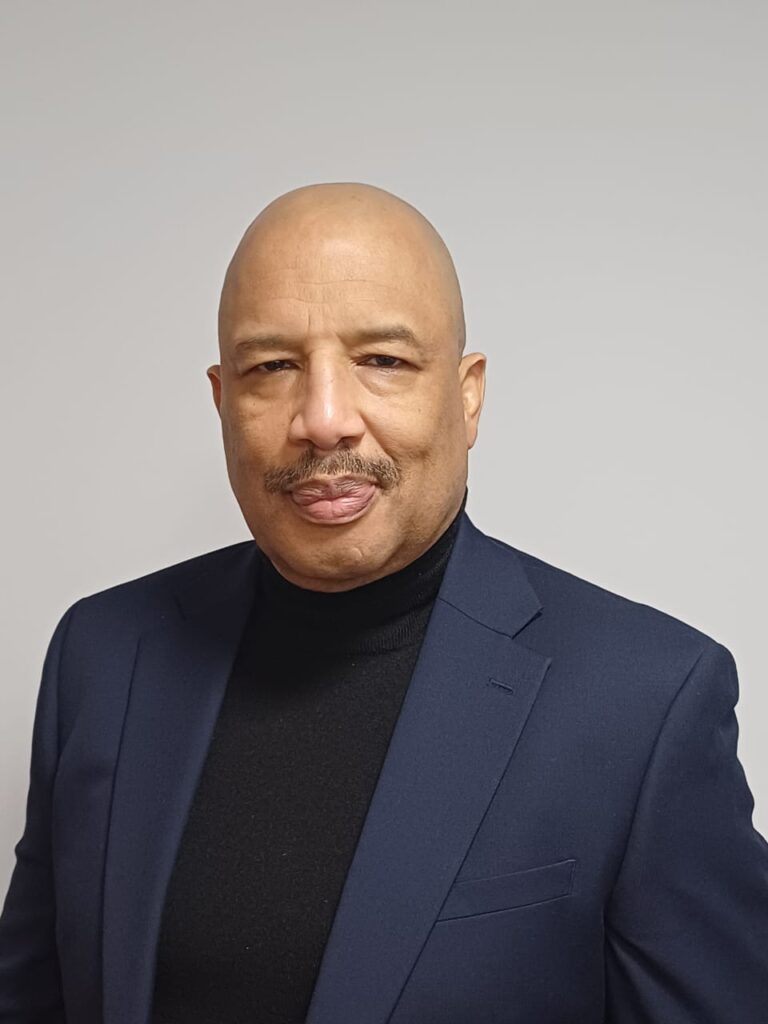
Chipper Cash co-founders: Maijid Moujaled (President) + Ham Serunjogi (CEO). Chipper Cash enables fast, free or low-cost peer-to-peer money transfers, cross-border payments, and bill payments across Africa and beyond [📸Karaminder Ghuman]

AfDB’s “AFAWA” initiative (Affirmative Finance Action for Women in Africa) is already demonstrating how targeted financial tools can unlock women’s economic power. We must take this further by decentralizing and digitizing such models.

The spread of mobile phones—even in hard-to-reach areas—offers a rare leapfrog opportunity. Already, mobile money is transforming rural commerce from Kenya’s M-Pesa to Nigeria’s Paga. But what’s next? The answer may surprise you: Artificial Intelligence.

Imagine a chatbot that helps women compare prices for produce, receive financial literacy training in their local language, or access climate forecasts that help with planting cycles. AI is not just for Silicon Valley—it’s a tool for grassroots development.

More importantly, data generated through mobile transactions can be used to create alternative credit scoring models. With the right analytics, rural women can qualify for loans even without formal histories. This is financial inclusion reimagined.

Two practical takeaways you can implement now:

1. Start Local Lending Networks Using Mobile Platforms:
If you’re an NGO, donor agency, or social enterprise, explore digital group savings tools like Tulaa or Chipper Cash, which allow women to save, lend, and build credit histories. You don’t need to wait for a full-fledged bank to begin financial inclusion.

2. Use WhatsApp or Telegram bots for training and support:
Tools like Turn.io and Twilio for WhatsApp allow you to build basic but powerful AI-driven content hubs. Share business tips, health information, and microlearning courses directly to women’s phones. Cheap, scalable, and accessible.

What I’ve seen in Nigeria is a microcosm of what’s possible across Africa. When women thrive, villages stabilize. When they are banked and backed, communities build. And when they are given tools—not handouts—they transform economies.

The future of rural Africa is not charity—it is entrepreneurship. And the key to unlocking that future? Women.

Let’s build with them, not just for them.


Numeris Media is official Media Partner to GITEX Nigeria x AI Everything Nigeria

[03 – 04 September, 2025 – Lagos]

Share. Facebook Twitter Pinterest LinkedIn Tumblr Email

MOST READ POSTS

In this electrifying piece, Cynthia Barnes breaks down the mindset and math behind reclaiming your value: the same knowledge that once earned her $89K a year now commands $25K a day. Barnes challenges every professional—especially Black women—to stop letting people rent their brilliance at discount rates and start charging the true market value of their genius.

November 2, 2025

For years, Chika Uwazie believed that good work would speak for itself—until she watched someone else get promoted for presenting her idea. In a powerful reflection, she dismantles the myth of quiet excellence and reveals how she went from overlooked to undeniable

November 2, 2025

Meekam Mgbenwelu: “If Afrobeats is Africa’s cultural export, then fintech is its economic rhythm. Across the continent, a revolution is reshaping how money moves – from Lagos traders tapping phones at roadside stalls, to Kigali taxi drivers accepting digital fares”

October 23, 2025

Leave A Reply Cancel Reply


The reCAPTCHA verification period has expired. Please reload the page.

In the News

From factory floor to first success (a Founder’s lesson in persistence): Sani Bashir Adamu’s Esbab Yogurt has officially rolled out its first batch of production, marking a major milestone for the emerging dairy brand. The launch yielded impressive results — over 1,000 packs of yogurt were produced and sold out in record time

ICYMI: The Bosun Tijani Foundation AI Fellowship, organised in collaboration with the Ogun State Government – how it’s progressing

Brilliant Moroccan startup ‘Sand to Green’ turns desert terrain into plush green vegetation – and they just won the 2025 Orange Social Venture Prize Africa & Middle East 🥇

In this electrifying piece, Cynthia Barnes breaks down the mindset and math behind reclaiming your value: the same knowledge that once earned her $89K a year now commands $25K a day. Barnes challenges every professional—especially Black women—to stop letting people rent their brilliance at discount rates and start charging the true market value of their genius.

For years, Chika Uwazie believed that good work would speak for itself—until she watched someone else get promoted for presenting her idea. In a powerful reflection, she dismantles the myth of quiet excellence and reveals how she went from overlooked to undeniable

Want to become an 𝐚𝐧𝐠𝐞𝐥 𝐢𝐧𝐯𝐞𝐬𝐭𝐨𝐫? Join here!

Apply: DHL GoTrade GBSN fellowship program

Aisha Babangida’s NGO, Women Enterprise Alliance – WenA, hosts the WenA SCALE Pitch Competition, showcasing some of the most promising women-led businesses in North-Central Nigeria — visionaries turning challenges into opportunities and ideas into thriving enterprises

Strategically expanding its Nigeria presence, the Body Shop announces the launch of a new Lagos location, strengthening its commitment to ethical beauty and UK–Nigeria trade ties

Painting the city yellow – Vanessa Kuhlor just helped execute a brilliant guerrilla marketing campaign at Rilla

COMPANY

  • About B&E
  • MoJo4TheMasses
  • Contact Us
  • Magazine
Instagram Linkedin
© 2023 Bank & Entrepreneur
  • Privacy Policy
  • Terms of Use

Type above and press Enter to search. Press Esc to cancel.